Automakers Have A Clever Way To Make Cars More Fuel Efficient
Those moving shutters in your car's grille help it cheat the wind, save fuel, and keep the engine running at the right temperature.
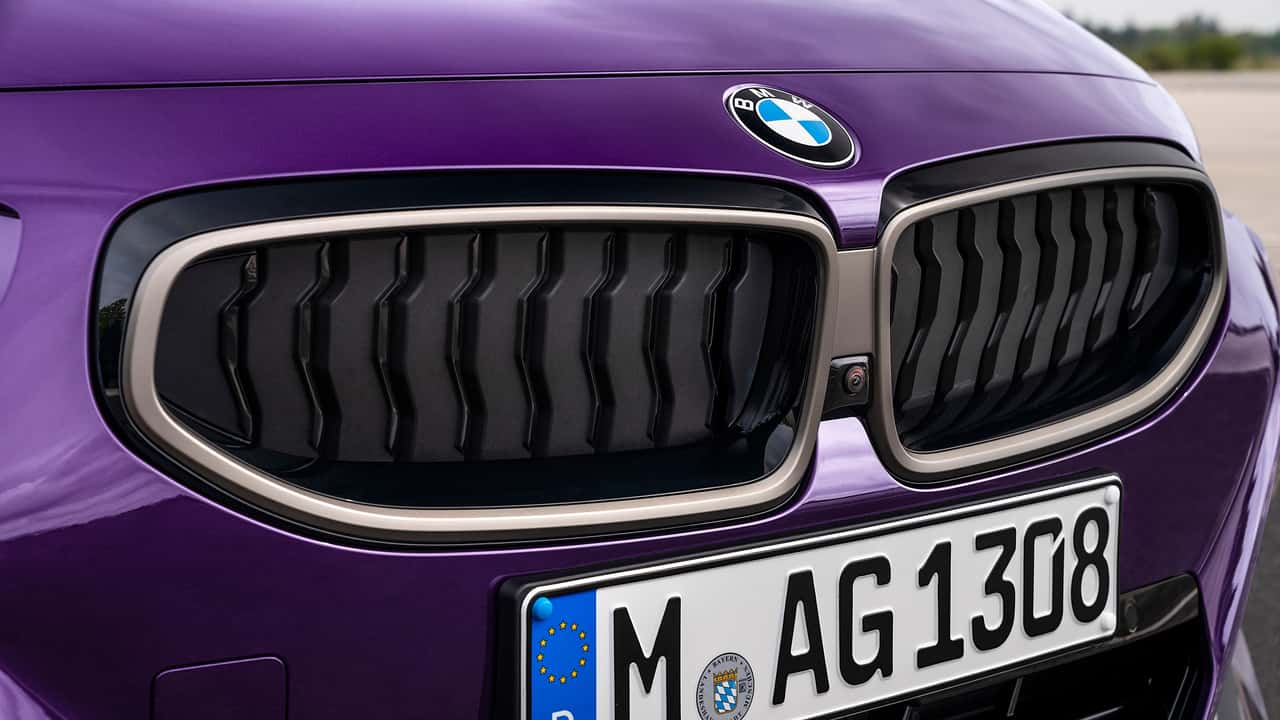

Active grille shutters are one of those clever automotive features most drivers probably never notice. Hidden behind the front grille, these small movable panels automatically open and close depending on what a vehicle needs at any given moment.
It might seem strange to deliberately block airflow into an engine bay, but there's a good reason automakers do it. The technology helps reduce aerodynamic drag, improve fuel economy, and even get engines up to operating temperature faster.
It's a surprisingly simple solution to several engineering challenges.
Active Grille Shutters Help Cars Cheat The Wind
The main reason automakers install active grille shutters is to reduce aerodynamic drag. When a car travels at highway speeds, air rushing through the front grille can enter the engine compartment, collide with components, and create turbulence.
That turbulence increases resistance, making the vehicle work harder to maintain its speed. Closing the grille openings helps direct more air around the vehicle instead of allowing it to pass through the engine bay.
This can improve aerodynamic efficiency, reduce fuel consumption, and, in electric vehicles, help extend driving range, as this SAE technical paper details. It's a relatively small engineering change that can make a measurable difference, particularly during sustained highway driving.
How Do Active Grille Shutters Actually Work?

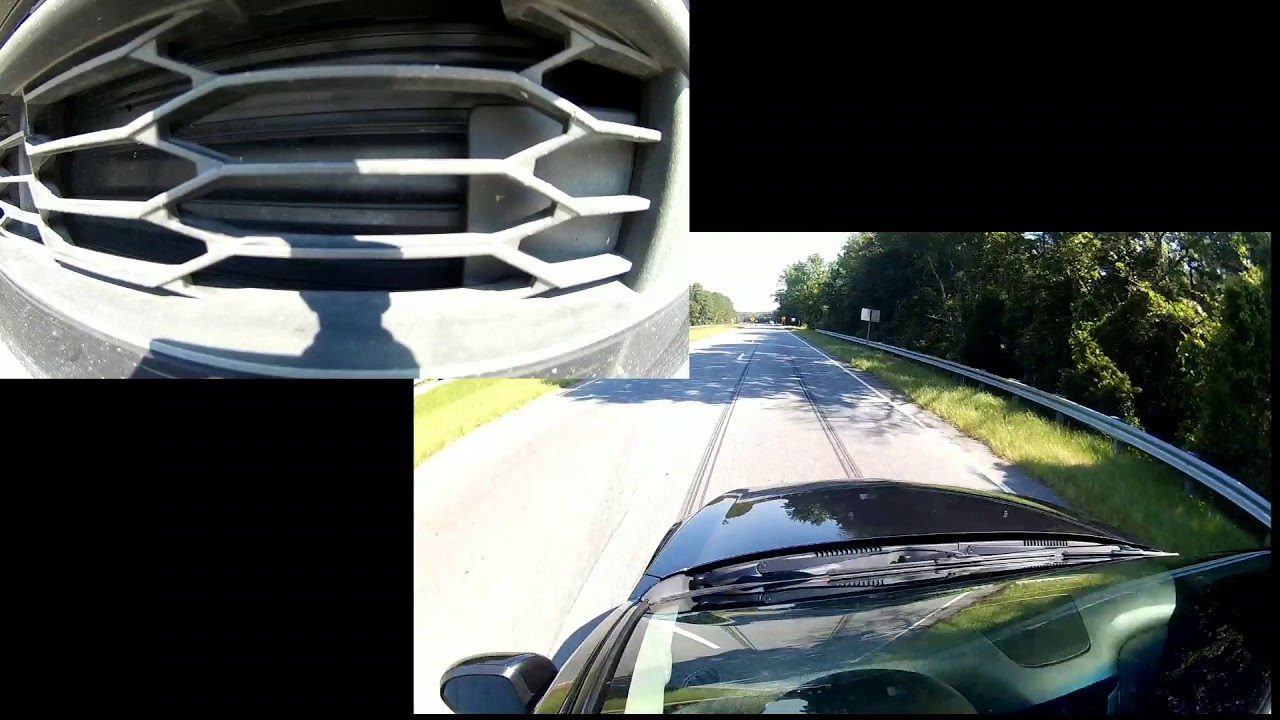
Active grille shutters are typically installed behind the front grille or lower bumper opening. They consist of several movable plastic or composite louvers connected to an electric actuator. When the vehicle's computer determines that additional cooling airflow is not needed, it commands the actuator to close the shutters.
The system doesn't simply respond to vehicle speed. It also considers several operating conditions, including engine coolant temperature, ambient temperature, air-conditioning demand, and cooling-fan operation. Depending on the vehicle, the shutters can open partially or completely when additional airflow is required.
For example, a car cruising along the highway on a cool day might keep its shutters closed for improved aerodynamics. However, if the engine temperature rises or the air-conditioning system needs additional cooling, the shutters can open automatically. Drivers generally don't have to do anything, as the system operates in the background.
Closing The Grille Can Also Help Engines Warm Up Faster
Improving aerodynamics is not the only advantage of active grille shutters. They can also help internal combustion engines reach their ideal operating temperature more quickly, particularly during cold starts.
When the shutters remain closed, less cold air enters the engine compartment and passes through the radiator. This helps the engine retain heat and reach its normal operating temperature sooner. A faster warm-up can improve efficiency, reduce certain emissions, and help the cabin heating system deliver warm air sooner.
According to automotive supplier Valeo, active grille shutters can significantly reduce engine warm-up times in very cold conditions. The system can also help retain heat after the vehicle has been parked, although the actual benefits depend on the vehicle and its cooling-system design.
Active Grille Shutters Offer More Benefits Than You Might Expect
Although reducing aerodynamic drag is their primary purpose, active grille shutters can provide several additional advantages. Automakers use them as part of a broader thermal-management and efficiency strategy. Some of their key benefits include:
- Improved fuel economy: Reduced aerodynamic drag means the engine needs less energy to maintain highway speeds.
- Greater electric range: EVs can benefit from reduced air resistance, potentially extending driving range.
- Faster engine warm-up: Restricting cold airflow helps conventional engines reach operating temperature sooner.
- Improved cabin comfort: Faster engine warm-up can help heating systems deliver warm air more quickly.
- Reduced wind noise: Controlling airflow through the front end can also help reduce certain aerodynamic noises.
Of course, the benefits vary depending on the vehicle, driving conditions, and how its engineers have calibrated the system. Active grille shutters are not designed to remain closed all the time. Their position constantly changes to balance aerodynamic efficiency with cooling requirements.
What Do Drivers Think About Active Grille Shutters?
Reddit discussions reveal that active grille shutters are a surprisingly debated feature among car owners. In a Ford F-150 discussion, owners discuss their effect on highway fuel economy, engine warm-up, and what happens when the shutters are disconnected. Some report modest mileage benefits, while others question whether the difference is noticeable.
Other discussions highlight their practical benefits and potential problems. In a MechanicAdvice thread, users explain how the shutters help engines warm up faster, while a Mazda3 owner discussion describes the consequences of shutters becoming stuck closed, including overheating concerns.
Interestingly, not everyone is convinced the technology is worth the added complexity. In a Mustang owners' discussion, some users question the real-world fuel savings after removing the shutters. Others point out that the benefits are most likely to become noticeable during highway driving and colder weather.
What Happens When Active Grille Shutters Stop Working?
Like any other electrically controlled vehicle component, active grille shutters can malfunction. Their location behind the front bumper exposes them to road debris, dirt, ice, and potential damage from minor collisions.
A faulty actuator, damaged wiring, obstructed louvers, or calibration problems can prevent the shutters from opening or closing correctly. Depending on the vehicle, this may trigger a warning light or an engine-management fault code.
The bigger concern is when the shutters become stuck closed. If the engine needs additional cooling airflow but the louvers cannot open, temperatures could rise, particularly during demanding driving conditions or hot weather. Shutters stuck open generally mean the vehicle loses some of the aerodynamic and efficiency benefits the system was designed to provide.
Drivers shouldn't try to force the shutters into position or assume that a closed grille automatically means something is wrong. Some systems intentionally keep the louvers closed for extended periods. If a warning appears or the engine begins overheating, it's best to have the system inspected by a qualified technician.
Active grille shutters might look like a strange design feature, but they serve an important purpose. By closing off parts of the front grille at higher speeds, these clever systems help cars become more aerodynamic, improve fuel efficiency, and sometimes even warm up faster. They are a good example of how modern cars use simple mechanical components and electronic controls to improve efficiency.
More From Motor101
RECOMMENDED FOR YOU

CVTs Have Been Around Way Longer Than Economy Cars
Mercedes Was 'Too Early' On Hands-Free Driving. Now It's Taking A Step Back
The Simple Technology That Keeps Off-Road Trucks From Getting Stuck
POV Video Shows What It's Like To 'Fly' In Tesla's New 'Roadster'
Why Replacing A Modern Headlight Can Cost Thousands Of Dollars
Forget The Z06. This Is The Used C7 Corvette You Should Buy
Honda And Toyota Found A Clever Way To Make Hybrid Engines More Efficient