2020 Land Rover Range Rover HSE P400e: Pros And Cons
A good option with a limited customer base.


As the march toward electrification continues, a wave of new hybrid and battery-powered technology is finding its way into a larger swath of vehicles. Exhibit E: a plug-in-hybrid Range Rover.
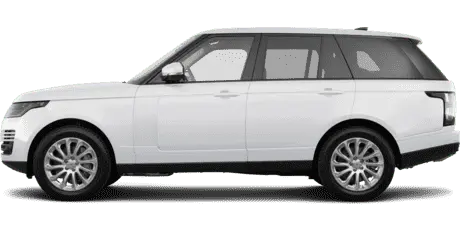
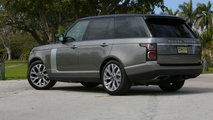
It looks like a Range Rover, drives like a Range Rover, and can do just about everything its gas-only siblings can do. What sets it apart from the pack, though, is the EPA-rated 19 miles of electric-only range, something the 2020 Land Rover Range Rover P400e’s siblings certainly can’t do.
Home On The Range:
Is that seemingly small EV-only range worth the $5,000 premium the plug-in commands over the base Range Rover? For some, yes. The ideal customer for this model has a very short daily work commute and still desires all of the pleasantries and capabilities that you get when buying a Range Rover. Regardless of who buys it, the Range Rover P400e is a well-executed take on a decidedly non-traditional plug-in candidate. There’s a lot to like here, but not enough to get everyone on board.
Competitors:
Gallery: 2020 Land Rover Range Rover HSE P400e: Pros And Cons






Gallery: 2020 Land Rover Range Rover HSE P400e: Slideshow





2020 Land Rover Range Rover HSE P400e
RECOMMENDED FOR YOU
Nearly 94,000 Range Rovers Recalled Over Rearview Camera Failures
Lincoln Recalls 11,623 Nautilus And Corsair Hybrids After Unexpected Neutral Shifts
Land Rover Deleted This Defender's Spare Wheel For Better Visibility
Ford Is Already Dropping The Dark Horse SC's $31,000 Track Pack
Man Drives Range Rover With Electric Sunroof. Then It Starts Raining: 'This Is My Sign...'
Why Are Some Traffic Lights Horizontal Instead Of Vertical?
Range Rover Sport Recalled Over Rear Subframes That Can Crack