There's A Reason Your Brain Doesn't Like Driving A CVT
From annoying engine noises and sluggish acceleration to reliability concerns, here's what makes CVT unpopular for many drivers.
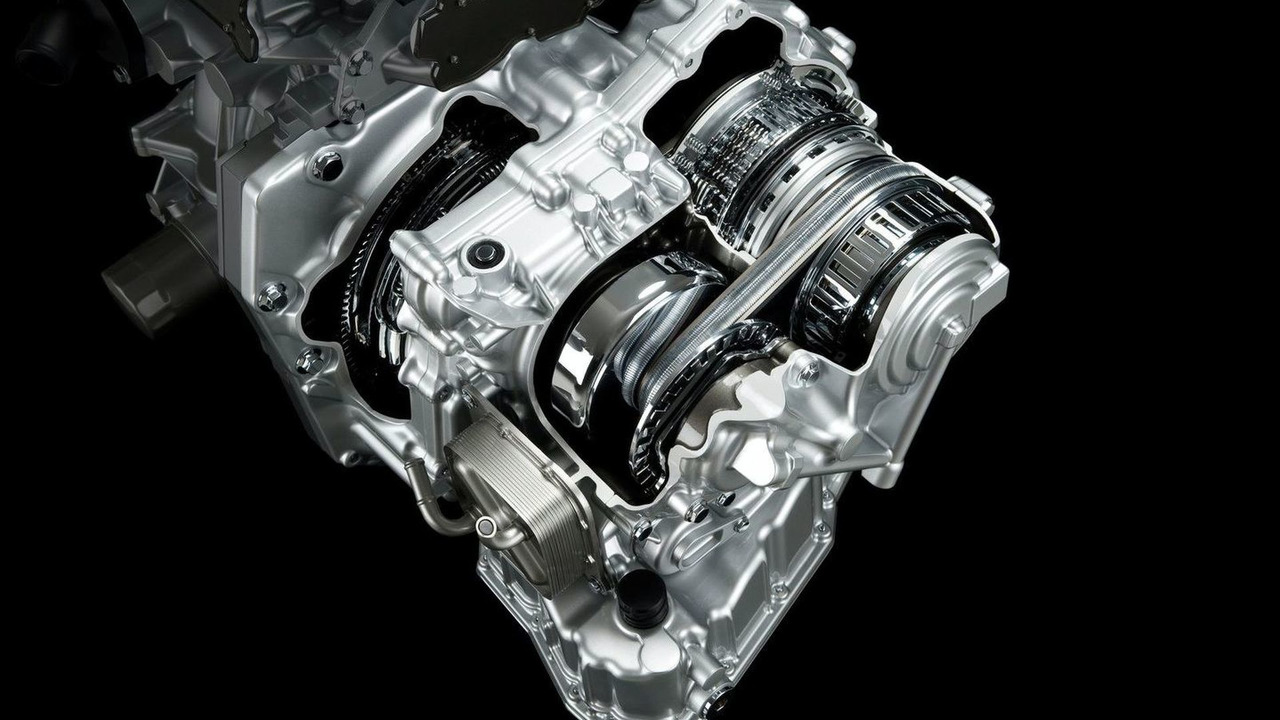

Few automotive technologies divide drivers quite like continuously variable transmissions. Automakers love them because they can improve fuel economy and make everyday driving smoother. Drivers, meanwhile, have spent years complaining about their strange acceleration, questionable reliability, and expensive repair bills.
So why do automakers keep using them? And are CVTs really as bad as everyone says?
The Rubber-Band Effect Makes Acceleration Feel Unnatural
Perhaps the most common complaint about CVTs is the way they behave during acceleration. Unlike conventional automatic transmissions, which shift between a series of fixed gears, a CVT continuously adjusts its gear ratio to keep the engine operating within its most efficient range.
In theory, this should make acceleration smoother. There's no interruption in power delivery caused by conventional gear changes, and the engine can maintain an optimal RPM as the vehicle gains speed.
In practice, however, the experience can feel rather strange. When drivers press the accelerator, the engine may immediately climb to a high RPM and remain there while the vehicle gradually picks up speed. Instead of hearing the familiar rise and fall of engine revs, drivers are greeted by a seemingly endless engine drone.
This is commonly known as the rubber-band effect, and it's one of the main reasons CVTs struggle to win over driving enthusiasts. The engine sounds like it's working extremely hard without delivering the immediate acceleration drivers expect. Although the transmission is operating as intended, the disconnect between engine noise and vehicle speed can make the car feel slower than it actually is.
Reliability Problems Have Given CVTs A Bad Reputation

The unusual driving experience would probably be easier to forgive if every CVT were exceptionally reliable. Unfortunately, that's not always the case.
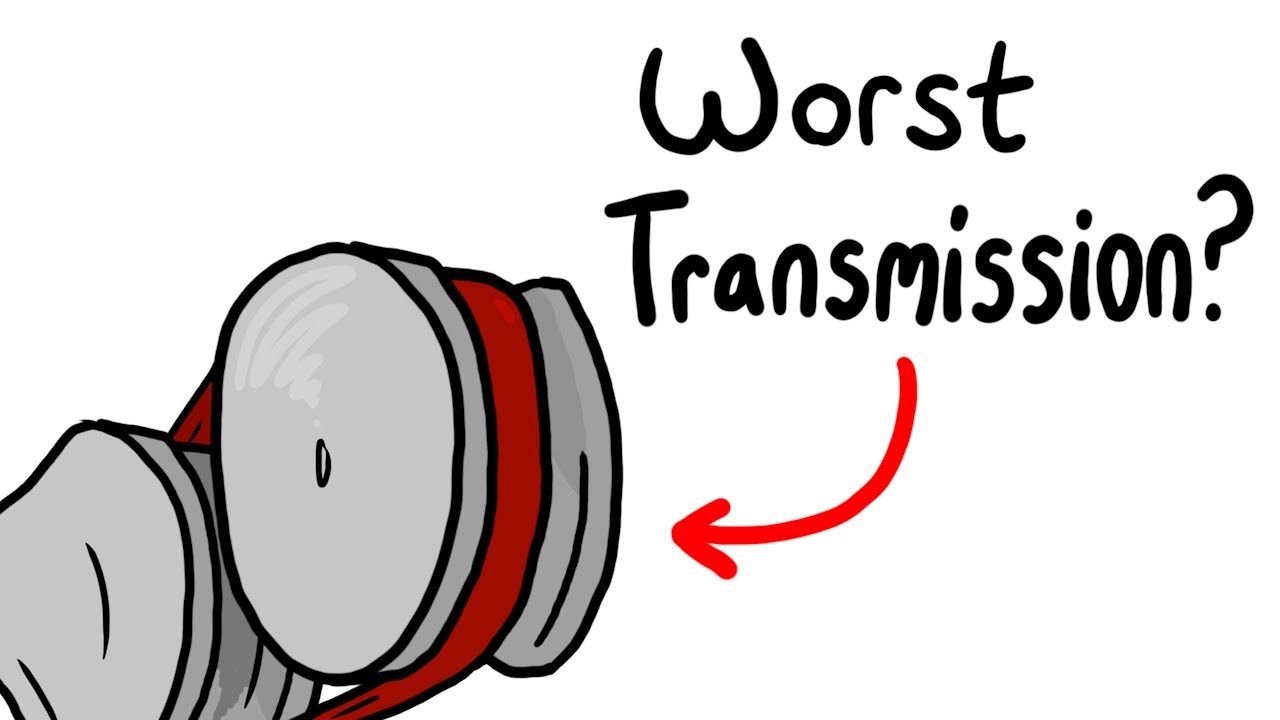
Most conventional CVTs use a metal belt or chain running between two variable-diameter pulleys. As these pulleys change their effective diameters, the transmission continuously adjusts its ratio. It's an effective design, but it also means several components must work together under considerable pressure and heat.
Excessive heat, contaminated or degraded transmission fluid, and internal component wear can eventually cause serious problems. Depending on the design, repairs can involve the belt or chain, pulleys, bearings, hydraulic systems, or electronic controls.
Certain Nissan CVT applications have been particularly controversial, with some owners reporting premature failures and expensive replacement bills. However, that doesn't mean every CVT is unreliable. Manufacturers use different designs, and reliability can vary considerably between models and production years.
The bigger issue is that CVTs have struggled to establish the same level of consumer confidence enjoyed by some well-developed conventional automatic transmissions.
Fixing A Broken CVT Can Be An Expensive Nightmare
When a CVT develops serious internal problems, owners can face a particularly unpleasant financial surprise. While conventional automatic transmissions have a long history of rebuilding and repair expertise behind them, CVTs can require specialized knowledge, equipment, and replacement components.
Depending on the transmission and the extent of the damage, replacing the entire unit may be more practical than attempting a complete rebuild. That's especially concerning for owners of affordable commuter cars, where a major transmission repair can represent a significant portion of the vehicle's resale value. Some of the potential problem areas include:
- Transmission belts or chains: These components experience substantial mechanical loads and can wear or become damaged.
- Pulley assemblies: Damage to the variable-diameter pulleys can interfere with the transmission's ability to maintain the correct ratio.
- Hydraulic systems: CVTs depend on precise hydraulic pressure to operate correctly, making internal pressure problems particularly troublesome.
- Transmission fluid: Incorrect, degraded, or contaminated fluid can contribute to excessive wear and operating problems.
- Electronic controls: Sensors and control modules can also cause shifting behavior and performance issues.
Not every CVT problem requires an entirely new transmission, of course. However, the possibility of expensive repairs is enough to make prospective used-car buyers cautious, particularly when considering vehicles with questionable maintenance histories.
CVTs Prioritize Fuel Economy Over Driving Enjoyment
There's a reason automakers continue installing CVTs in relatively affordable vehicles: they're designed to make everyday driving more efficient, as the U.S. Department of Energy explains.
Because a CVT can continuously adjust its ratio, it allows the engine to operate closer to its ideal efficiency range under different driving conditions. This can improve fuel economy compared with certain conventional automatic transmissions, particularly in smaller cars designed primarily for commuting.
The problem is that efficiency is not necessarily what every driver wants. People who enjoy driving often appreciate the sensation of traditional gear changes, responsive throttle behavior, and the relationship between engine speed and vehicle acceleration. A CVT can take away much of that familiar experience.
Some manufacturers have attempted to address these complaints by introducing simulated gear changes. These programmed shifts imitate the behavior of a conventional automatic transmission, making acceleration feel more familiar. However, they're essentially artificial. The transmission still operates using continuously variable ratios rather than a traditional set of gears.
For someone looking for an economical daily driver, that might not matter. For someone who enjoys driving, it can be a significant compromise.
What Do Drivers Actually Think About CVTs?
Reddit discussions suggest that one of the biggest complaints about CVTs isn't necessarily reliability, but the way they feel behind the wheel. In a discussion on r/accord, drivers complained about the lack of satisfying gear changes, artificial engine behavior, and sluggish-feeling acceleration. Some argued that conventional automatics simply make driving more engaging, even when they're not necessarily more efficient.
Reliability and repair costs are another recurring concern. In this r/askcarguys discussion, users debated why CVTs have developed such a poor reputation, with several pointing to neglected transmission fluid maintenance and manufacturers' maintenance recommendations. Meanwhile, a separate discussion about CVT replacement costs highlighted how expensive a major failure can become.
Interestingly, not everyone thinks CVTs deserve their reputation. In discussions such as this thread on r/whatcarshouldIbuy, owners defended certain Honda, Toyota, and Subaru CVTs, arguing that reliability depends heavily on the manufacturer and maintenance history.
Are CVTs Really As Bad As Everyone Says?
Not necessarily. CVTs are not inherently flawed, and dismissing every vehicle equipped with one would be unfair. When properly engineered, cooled, and maintained, they can provide smooth acceleration, competitive fuel economy, and dependable everyday transportation.
The problem is that their strengths don't always align with what drivers expect from a modern car. Their unusual acceleration characteristics can be frustrating, their reliability records vary between manufacturers, and certain repairs can become surprisingly expensive.
Ultimately, CVTs make the most sense in vehicles designed around affordability, efficiency, and comfortable commuting. They're less appealing to drivers who prioritize engaging performance, traditional automatic behavior, or the reassurance of a well-established transmission design.
Perhaps the biggest mistake is expecting a CVT to behave like a conventional automatic. It's a different technology with different priorities, and those priorities come with compromises.
More From Motor101
RECOMMENDED FOR YOU

No, Premium Gas Doesn't Automatically Make Your Car Faster
Scion Is Back, And It's Bringing A Tiny Kei Truck To America
Why Some Automatics Have More Gears Than Others
The Manual C8 Corvette Is Real, And Really Expensive
Your Brakes Don't Always Need A Mechanical Connection
12 Crossovers That Are Surprisingly Good At Off-Roading
Why America Is Obsessed With Building Giant Roadside Attractions