No, Premium Gas Doesn't Automatically Make Your Car Faster
Higher octane doesn't always mean better performance. Here's what happens under the hood when you choose premium over regular gasoline.
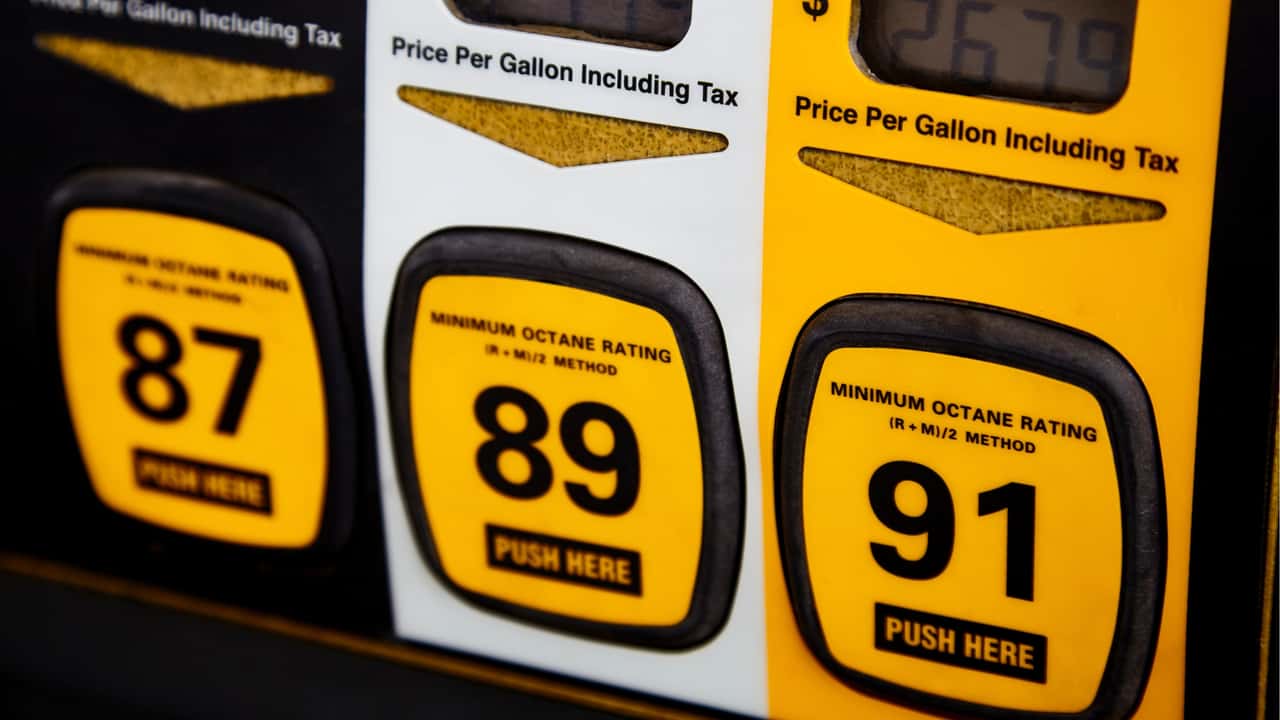

Premium gasoline costs more than regular, but does that extra expense actually make your car faster? It's a common assumption among drivers, particularly those who own turbocharged vehicles or cars with sporty credentials. But the truth is a little more complicated.
Higher-octane fuel can unlock additional horsepower in certain engines, but it won't do much for others. In fact, if your car is designed to run on regular gasoline, you could be throwing money away every time you choose premium.
Can Premium Gas Actually Increase Horsepower?
Yes, but only if your engine is designed to take advantage of it. Many modern performance engines use sophisticated engine management systems that constantly monitor combustion conditions. When the engine detects a risk of knocking, it can adjust ignition timing to protect itself. While this prevents potential damage, it can also reduce power output.
Using higher-octane fuel can allow certain engines to run more aggressive ignition timing and, in some turbocharged applications, higher boost pressure. This can translate into additional horsepower and improved acceleration.
Some manufacturers even publish different power figures depending on the fuel used. In these cases, premium gasoline can genuinely help the engine deliver its advertised performance.
But there's an important catch: the engine needs to be calibrated to benefit from the higher octane rating. If your vehicle's computer and engine design don't take advantage of premium fuel, you shouldn't expect a noticeable performance improvement—this is backed by AAA testing.
What Actually Makes Premium Gas Different?
The main difference between regular and premium gasoline is its octane rating. In the US, regular gasoline typically has an octane rating of 87, while premium generally comes in at 91 or 93, depending on the fuel supplier and region.
Octane measures a fuel's resistance to engine knock, which occurs when the air-fuel mixture ignites abnormally inside the combustion chamber. This can create excessive pressure and potentially damage engine components if left unchecked.
Higher-octane gasoline is more resistant to this type of combustion. That's particularly important in engines with high compression ratios, turbochargers, or superchargers, where the air-fuel mixture experiences greater pressure and temperature.
However, premium gasoline is not inherently more powerful than regular fuel. Its higher octane rating simply lets certain engines run under more demanding conditions without knocking.
What Happens If You Put Premium Gas In A Regular Car?
This is where many drivers waste money. If your vehicle is designed to operate on regular gasoline, filling it with premium generally won't make it faster.
Modern engines are engineered to deliver their intended performance using the fuel grade specified by the manufacturer. Unless the engine can adjust its operation to take advantage of the higher octane rating, there's little reason to expect additional horsepower or better acceleration.
Another common misconception is that premium gasoline is automatically cleaner or contains more energy. Octane rating doesn't measure fuel cleanliness or energy content. Both regular and premium gasoline can contain detergent additives, depending on the supplier and formulation.
In other words, paying more for premium doesn't necessarily mean you're getting better fuel economy, a cleaner engine, or improved long-term reliability.
When Is Premium Gas Actually Worth The Money?
The most important distinction is whether your vehicle requires premium gasoline or simply recommends it. These two instructions aren't interchangeable.
If premium is required, you should follow the manufacturer's recommendation. Using lower-octane fuel can cause the engine management system to reduce performance to prevent knocking, and it is not a good idea to routinely ignore the specified fuel requirement.
If premium is recommended but not required, regular gasoline may still be acceptable. However, you could experience slightly reduced performance under demanding driving conditions. Before deciding which fuel to use, consider these points:
- Premium required: Use the specified higher-octane fuel to ensure the engine operates as intended.
- Premium recommended: Higher-octane gasoline may help your engine deliver its advertised performance, although regular fuel may be permitted.
- Regular recommended: Premium is unlikely to provide meaningful performance or efficiency improvements.
- Regular required: There's generally no practical reason to pay extra for premium gasoline.
Your owner's manual is the best place to find the correct fuel recommendation. Don't assume that every turbocharged engine requires premium, either. Some manufacturers specifically engineer turbocharged engines to operate on regular gasoline.
What Do Drivers Say About Premium Gas?
Reddit discussions reveal that drivers are divided over whether premium gasoline is worth the extra expense. In a discussion on r/civic, owners of turbocharged Honda Civics reported different experiences, with some noticing better acceleration and others arguing that premium offers little benefit unless the engine is tuned to take advantage of higher octane.
A similar debate emerged in r/CivicSi, where drivers discussed switching from premium to regular gasoline. While some said they noticed reduced performance, others reported barely feeling a difference during everyday driving. The discussion highlights the distinction between a car's maximum potential performance and what drivers actually experience behind the wheel.
Meanwhile, one particularly interesting discussion in r/cars involved a Ford Bronco owner who estimated that premium gasoline could unlock another 15 to 20 horsepower. However, the driver questioned whether that extra power justified paying an additional $0.60 per gallon for something rarely used.
Does Premium Gas Improve Fuel Economy?
Better fuel economy is another reason some drivers choose premium gasoline, but the relationship is not as straightforward as you might think. Higher octane doesn't automatically mean more energy per gallon. Consequently, putting premium fuel in an engine designed for regular gasoline won't necessarily improve mileage.
In engines specifically calibrated for premium, the ability to optimize ignition timing and combustion can potentially improve efficiency under certain operating conditions. However, the difference varies depending on the engine, driving style, and conditions.
Even when a vehicle achieves slightly better mileage on premium, the savings may not compensate for the higher price at the pump.
Ultimately, premium gasoline can make your car faster, but only when its engine is designed to benefit from the higher octane rating. For everyone else, it may simply be an unnecessary expense.
More From Motor101
RECOMMENDED FOR YOU

Why Some Automatics Have More Gears Than Others
BMW Is Considering A V8-Powered Alpina Coupe
Your Brakes Don't Always Need A Mechanical Connection
The Nissan Patrol Is Finally Back in America. Sort Of
Why America Is Obsessed With Building Giant Roadside Attractions
Ford Confirms New Midsize Pickup For 2027
Why Some Cars Have Two Clutches Instead Of One