Volkswagen Is Locking Horsepower Behind a Paywall
When automakers own the software, ridiculous paywalls happen.
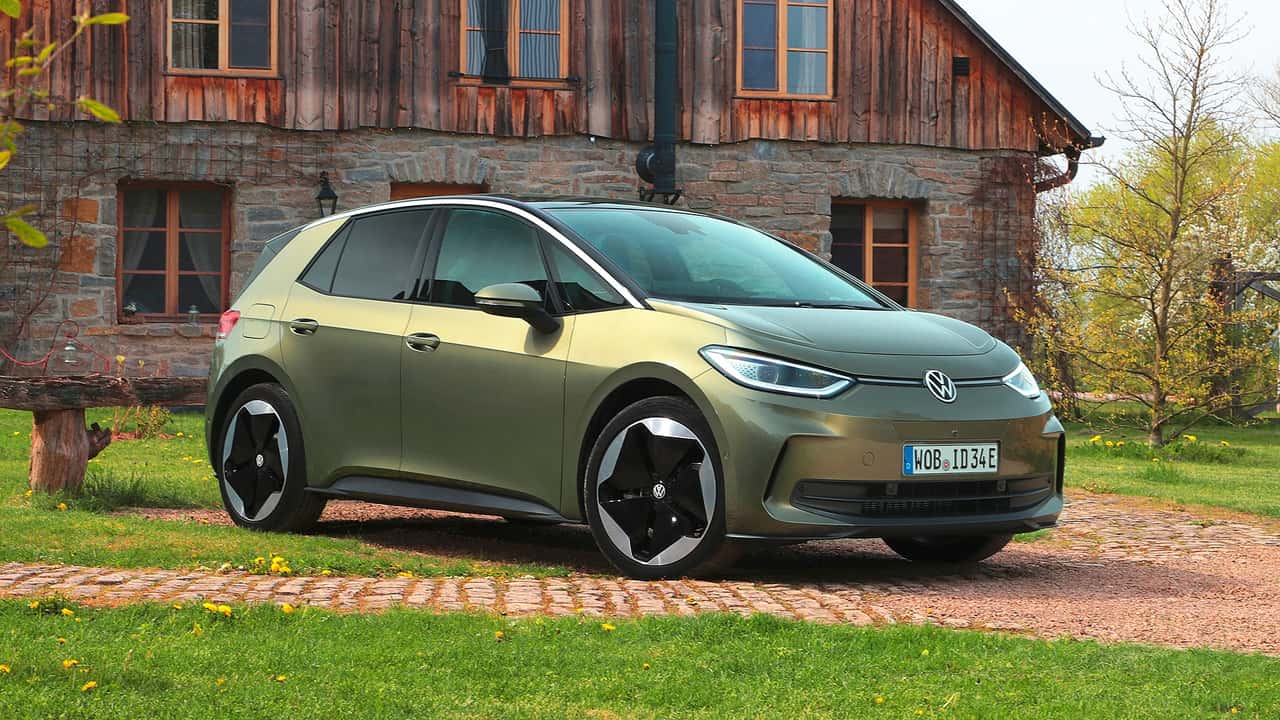

Automakers are embracing subscriptions whether customers like them or not, often pushing beyond what most of us find acceptable. BMW attempted to charge a monthly fee for heated seats, but users didn’t bite. On the opposite end of the spectrum, Mercedes-Benz still offers Acceleration Increase for its EQ models, which initially cost $1,200 a year, and it’s an idea that Volkswagen is borrowing for the electric ID.3 in the United Kingdom.
Auto Express first reported that the automaker’s consumer site in the UK market lists the ID.3 Pro and Pro S as only having 201 horsepower instead of the full 228-hp output. The fine print reads that owners can "activate the optional power upgrade for a fee." VW offers owners the option of a one-month free trial, a monthly or yearly subscription, or the ability to purchase it for the car’s lifetime.
Those costs are: £16.50 per month, £165 per year, or £649 outright, which is $22.36, $211.41, and $879,52, respectively, at today’s exchange rate. It’s an odd decision and one that doesn’t make much financial sense for a buyer on a car that costs around $50,000 to start. The extra cost is small enough to be hidden in the MSRP, and something most people would likely be willing to pay upfront.
But this paywall feels like an unnecessary hurdle designed to nickel-and-dime customers who might be leasing rather than buying. Automotive News Europe reported in late 2023 that more than 40 percent of new lease registrations in the UK were electric vehicles, so someone who only keeps the car for a few years might be able to save a few hundred dollars.

Volkswagen ID.3 Interior
It doesn’t seem worth it, and thankfully VW isn’t doing that in America, but it reveals where the industry stands and what it’s thinking. Automakers are seeking new revenue streams during a complex and costly time in the industry, and a recurring income from thousands or millions of drivers is enticing.
You’d think spending tens of thousands of dollars would guarantee you can purchase and fully own a complete vehicle, but that’s no longer the case when software sits between the user and the actual hardware. Software licenses and end-user license agreements restrict ownership while the Digital Millennium Copyright Act dictates what a user can and cannot do with that license.
In 2023, Mazda sent a cease-and-desist letter to a developer who had made integrations that connected Mazda vehicles to Home Assistant, an open-source home automation software. The automaker accused the developer of writing code that infringed on its “copyright ownership,” which provided similar functionality to that offered by Mazda through its apps. While the DMCA allows owners to modify what they own, it’s illegal to distribute the software or tools to do it, especially if it violates copyright, and today’s cars are packed with copyrighted software.
American automakers are already making the argument in court that customers don’t fully own the vehicles they paid for, pointing to software and software licenses in their attempt to restrict right-to-repair laws. As automakers embed more software into cars, EVs or ICE, it will make paywalling horsepower, safety features, or access to other hardware features even easier because you can’t own someone else’s copyrighted code, and VW’s UK experiment should be a red alert for car buyers everywhere.
Too Many Subscriptions:

Sources: Auto Express, Automotive News, Ars Technica, Volkswagen UK
RECOMMENDED FOR YOU
BMW's Electric Cars Are Helping Keep Its V8s Alive
BYD's $3-Million Hypercar Crashed Hard During High-Speed Testing: Video
Hyundai Says The Biggest Challenge For Hydrogen Cars Is Finding Customers
Modern Cars Are Packed With Sensors. What Do They All Do?
Toyota And Waymo Join Forces To Launch Driverless bZ4X Fleet In 2027
Used EV Prices Were Plummeting. Now They're More Expensive Than Gas Cars
Volkswagen Will Take China-Developed Technology Global In Major Strategy Shift